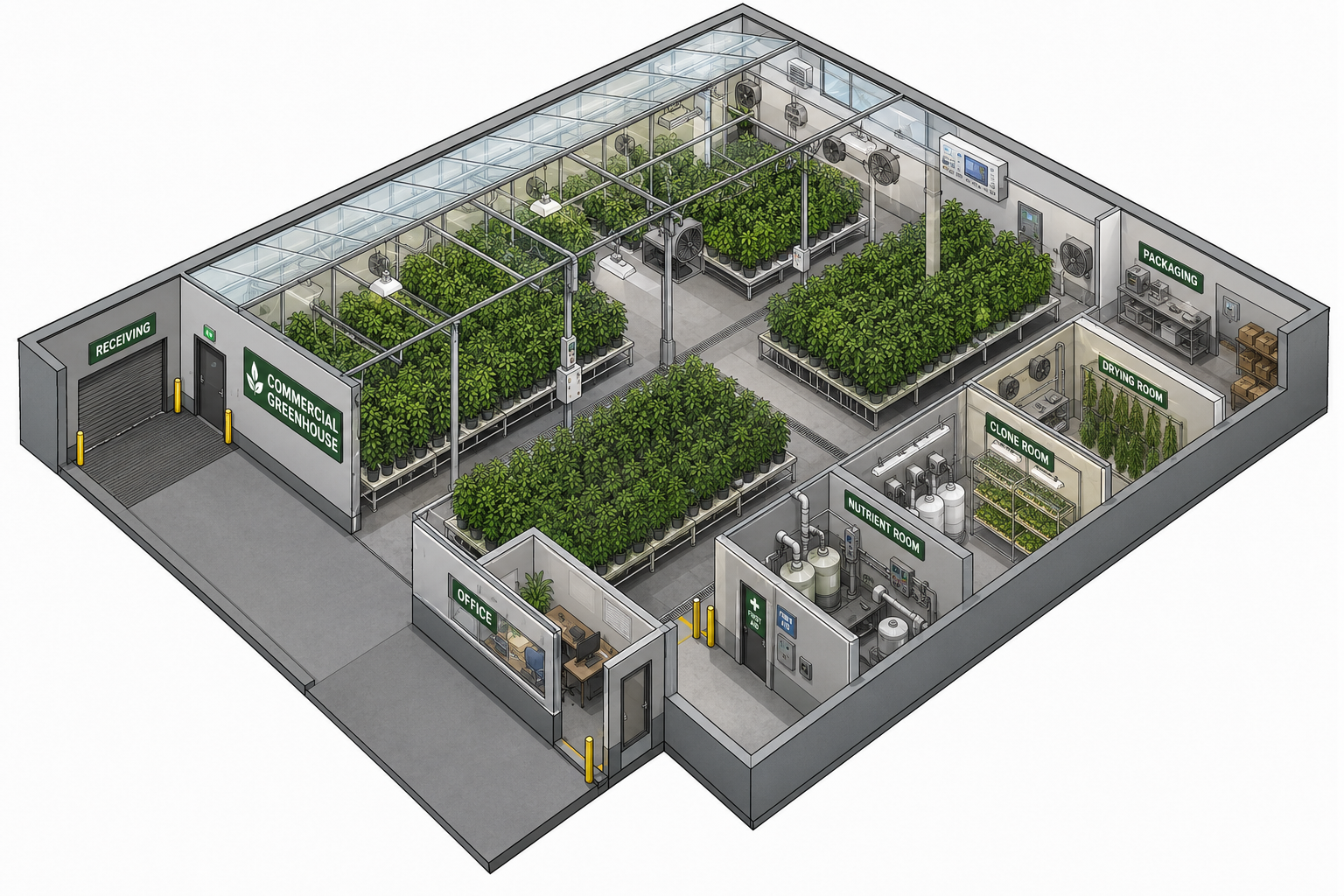
Grow and Extraction Facilities
Real-time monitoring for safe operating environments throughout these specialized facilities.
Prioritize Worker Safety
As demand continues to grow, new construction projects and repurposed warehouses are increasingly being converted into controlled environment cultivation and extraction facilities. This rapid expansion brings a heightened focus on protecting workers by ensuring safe operating environments throughout these specialized facilities.
Kingsmen - Macurco
Our products and solutions have you covered
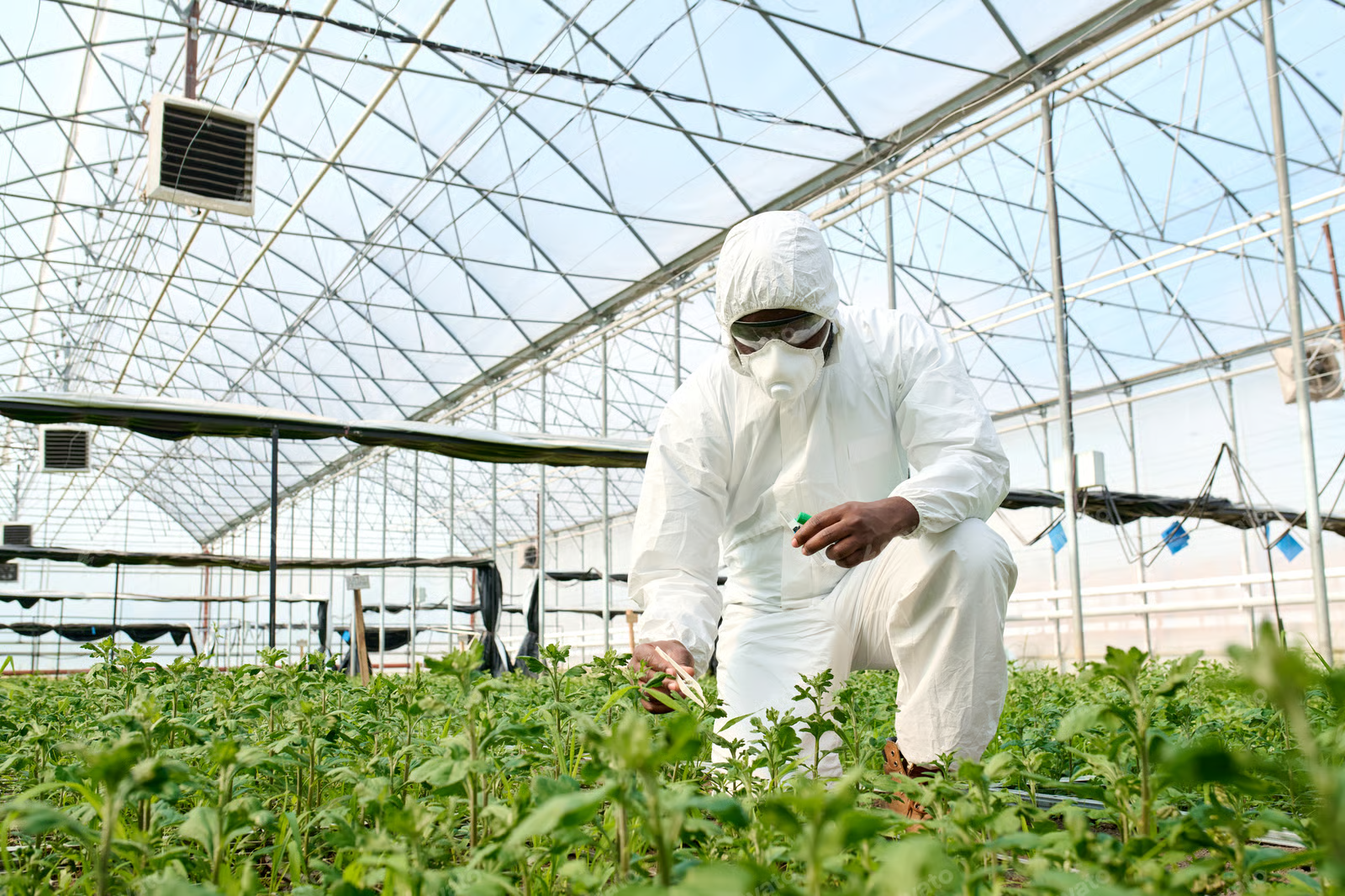
Why Install A Gas Detection System?
Advances in technology usually introduce new risks in manufacturing.
Safety Measures
Commercial cultivation and extraction facilities often use compressed gases, carbon dioxide, and volatile solvents that can create serious hazards if gas leaks occur. Continuous gas detection provides early warning of dangerous conditions, helping protect personnel from toxic exposure, oxygen-deficient environments, and fire or explosion risks.
Personnel and Property
Undetected gas leaks can create hazardous atmospheres that threaten extraction equipment, environmental control systems, and valuable crop inventories. Early gas detection enables operators to respond before conditions escalate, protecting critical assets while reducing the likelihood of costly damage and operational disruptions.
Environmental Protection
Commercial grow and extraction facilities must meet strict safety requirements while maintaining reliable production. A dependable gas detection system helps facilities support regulatory compliance, reduce operational risk, and minimize unplanned downtime that can impact product quality, production schedules, and profitability.
Macurco - Industry leading technology proudly built in the United States
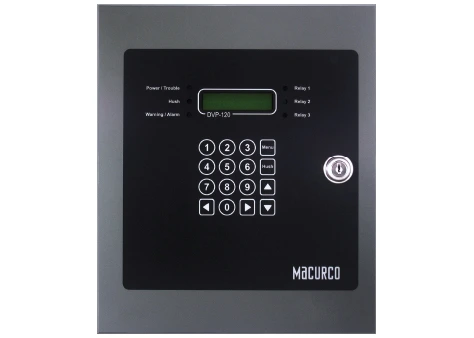
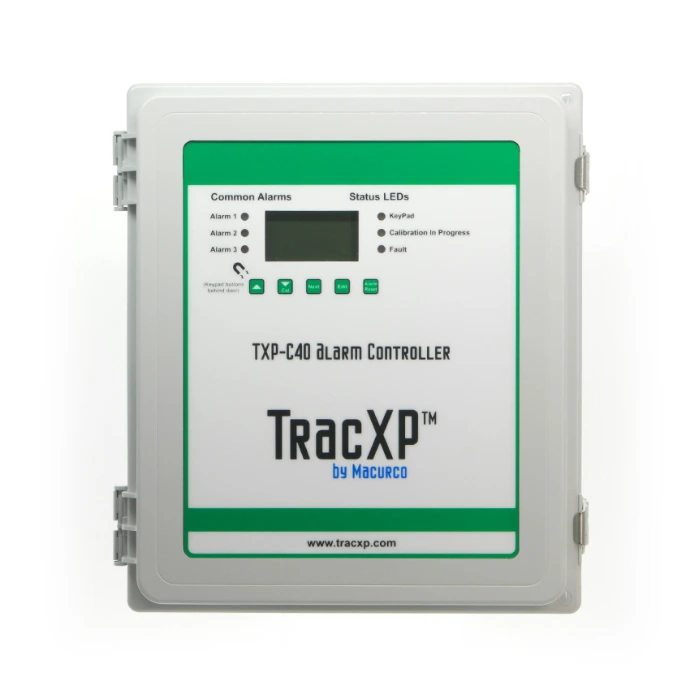
Control Panels
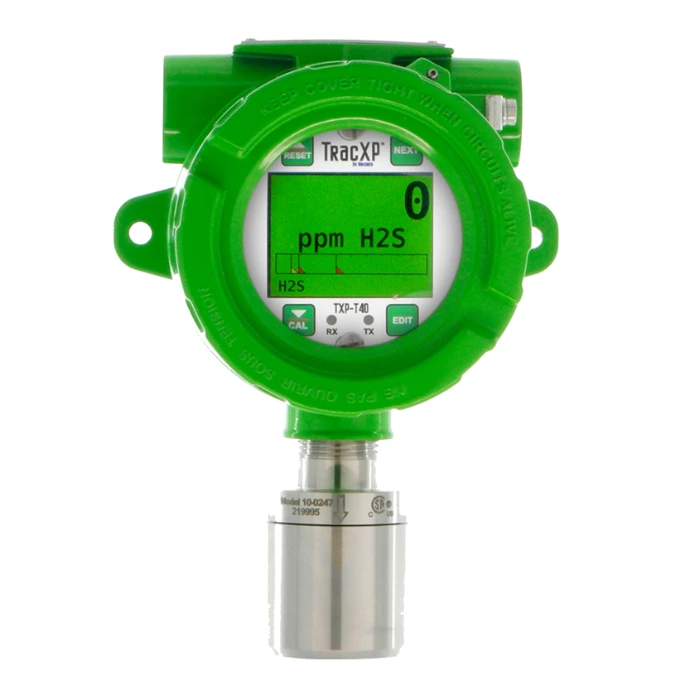
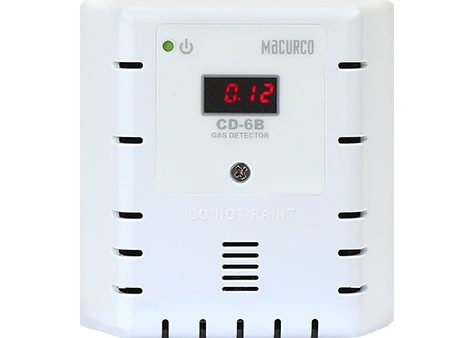
Sensors
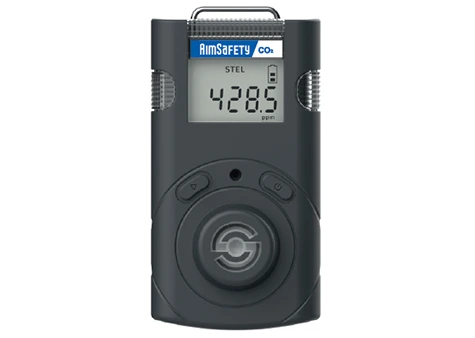
Worker Safety
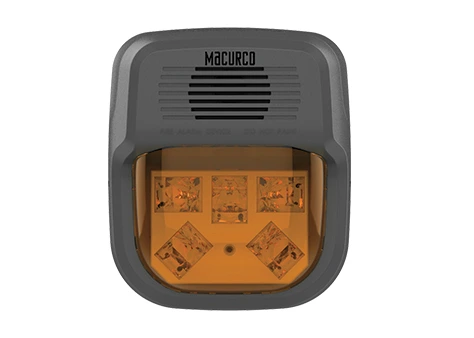
Alarms
Relays
Transmitters
Typical Gases Found
Carbon Dioxide
Current cultivation methods of cannabis and industrial hemp utilize Carbon Dioxide (CO2) enrichment to increase plant growth and development. CO2 is classified as an asphyxiant gas, which can potentially reduce or displace normal Oxygen concentrations in the air.
- CO2 can be stored as liquefied compressed gas in vacuum-jacketed cryogenic liquid cylinders or steel or aluminum cylinders.
- It can also be produced onsite by Carbon Dioxide generators. If CO2 is generated using fossil fuel combustion, Carbon Monoxide (CO) and Nitrogen Dioxide (NO2) can be produced. Both CO and NO2 are toxic gases that can cause significant health effects or even death for exposed individuals.
The two categories regarding gas detection include explosion/fire fueled by combustible gases and asphyxiation due to Oxygen (O2) displacement from Carbon Dioxide (CO2) leaks. The choices involving the source of CO2 can impact what is needed to properly design a Life Safety System.
Combustible Gas
If the release of a hazardous or combustible gas can cause immediate harm to a person or property, a means to mitigate the gas should be provided. Combustible liquids and compressed gases used in
extraction or processing in these facilities should be vented in accordance with International Fire and Mechanical Codes. Utilizing a gas detection system can activate an exhaust system and shut down the extraction process to prevent a dangerous event.
CBD Concentrate is produced by extracting cannabinoids from the cannabis plant. The solvent-based concentrate is the most common, and the process involves passing gas through a solvent extraction device filled with cannabis plant matter.
- Commonly used combustible gas solvents include Butane (C4H10), Propane (C3H8), Hexane (C6H14), and Ethanol (C2H6O).
- Hypercritical (Carbon Dioxide) CO2 is another rising popular solvent, which adds the risk of asphyxiation to the extraction process.